What Your Car’s Fluids Say About Its Health — A Beginner’s Guide

by Erin Anderson
You don't have to be a mechanic to understand what's going on under your hood — your car's fluids will tell you almost everything you need to know. From oil to coolant to brake fluid, each one plays a role in keeping your vehicle running smoothly, safely, and efficiently. And just like checking your own vital signs, keeping an eye on these fluids can help you catch small problems before they become expensive repairs.
Most drivers only think about fluids when a warning light pops on, but routine checks can stretch the life of your car, prevent breakdowns, and even reduce insurance-worthy accidents. Here's your beginner-friendly guide to what each major fluid does, what it's telling you, and how to stay ahead of issues.
Engine Oil: The Car's Lifeblood
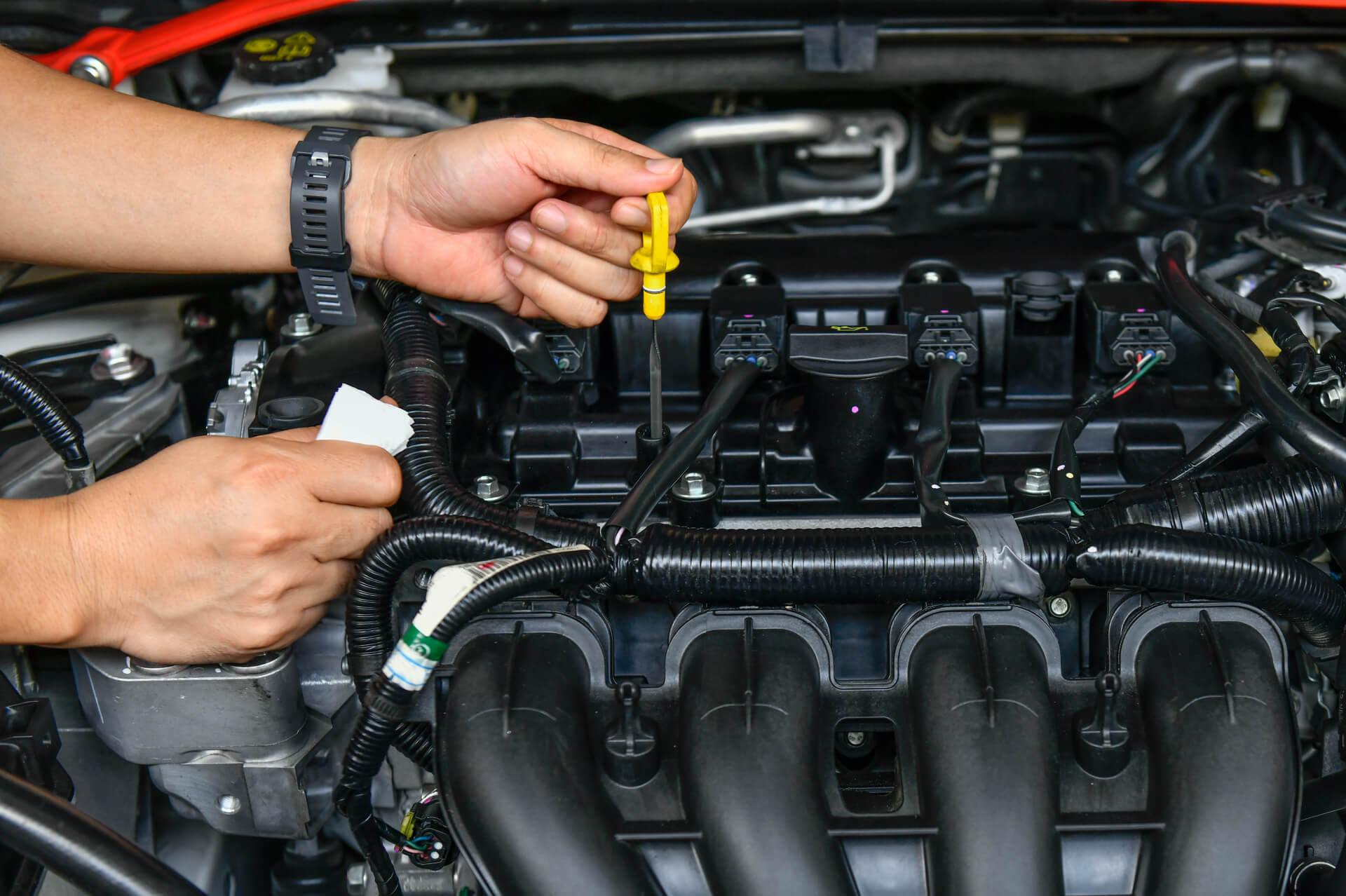
Oil lubricates the engine, reduces friction, and helps keep everything cool — which means low or dirty oil can quickly turn into engine damage.
What to look for:
- Level: Dipstick should show oil between the minimum and maximum marks.
- Color: Fresh oil is amber; dark, gritty oil means it's time for a change.
- Smell: A burnt odor can indicate overheating or an oil leak.
Pro tip: If you're topping oil off more often than usual, don't ignore it — frequent low oil can signal a leak or early engine wear.
Coolant: Your First Defense Against Overheating
Coolant (also called antifreeze) regulates temperature and keeps your engine from freezing or boiling over.
What to look for:
- Color: Bright green, yellow, or pink when healthy. If it looks rusty or cloudy, contaminants may be creeping in.
- Level: Your coolant reservoir should be between the min/max lines.
- Smell: A sweet smell near the engine can be a sign of a leak.
Why it matters: Overheating is one of the most common causes of roadside breakdowns — and one of the easiest to prevent with regular coolant checks.
Brake Fluid: The Quiet Safety Hero
Brake fluid transfers pressure from your foot to the brakes. If it's low, contaminated, or old, your stopping power takes a hit.
What to look for:
- Color: Clear to light yellow when new; dark brown means it's time to replace.
- Feel: A soft or spongy brake pedal can indicate low fluid or air in the system.
Takeaway: Brake issues are expensive and dangerous, but catching fluid changes early can prevent both accidents and big repairs.
Transmission Fluid: Smooth Shifting Guaranteed
This fluid keeps your transmission running cool and shifting seamlessly.
What to look for:
- Color: Bright red or pink when healthy; brown or burnt-smelling fluid suggests trouble.
- Performance: Hesitation, grinding, or slipping while shifting are warning signs.
Pro tip: Transmission repairs are among the priciest issues a car can have — checking fluid periodically can save thousands later.
Power Steering Fluid: Effortless Turning
If steering suddenly feels heavy, sluggish, or noisy, your power steering fluid may be running low.
What to look for:
- Color: Usually red or amber; if it looks dark or foamy, it needs attention.
- Sound: Whining when you turn the wheel often points to a fluid issue.
Left unchecked, steering problems can affect handling — and that can affect your insurance risk profile, too.
Windshield Washer Fluid: Small but Mighty
It may not affect your engine, but clear visibility is a safety essential.
What to look for:
- Level: Keep it topped, especially before long trips or winter weather.
- Effectiveness: If your nozzles sputter or smear, it might be time to refill or unclog the system.
Sometimes the simplest fluid is the one that keeps you safest on the road.
The Bottom Line
Your car's fluids are some of the easiest clues to your vehicle's overall health — and you don't need special tools or knowledge to understand them. A quick monthly check can prevent breakdowns, extend your car's lifespan, and even help you avoid costly claims.
👉 Before your next drive, take five minutes to pop the hood and check your fluid levels. A little attention today can save you money — and headaches — down the road.